Food Security as Strategic Power: Rethinking Agriculture in India’s Security Framework

The idea of national security is undergoing a fundamental shift. It is no longer confined to borders, military strength or internal law and order. As highlighted by Defence Minister Rajnath Singh, security today spans economic resilience, digital systems, energy access and crucially, food security. This shift is not theoretical. It reflects the realities of an interconnected and volatile global order where disruptions in supply chains, climate shocks and geopolitical tensions can destabilise nations without a single shot being fired.
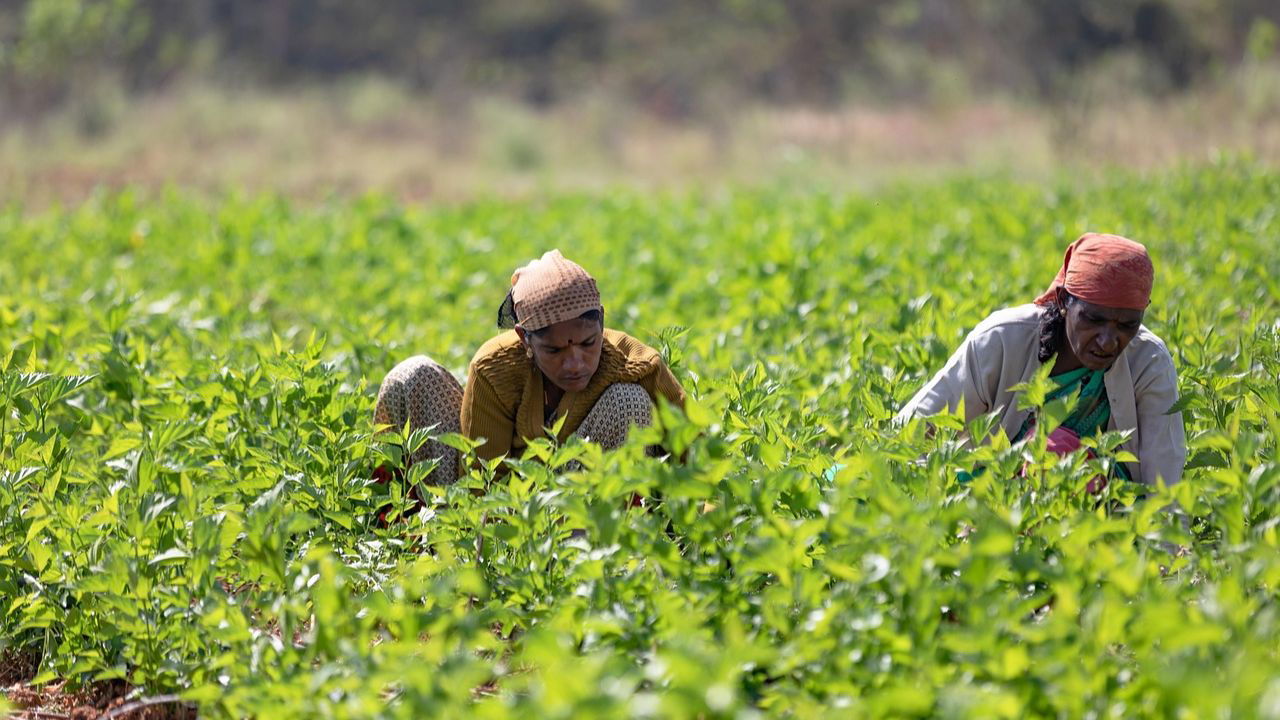
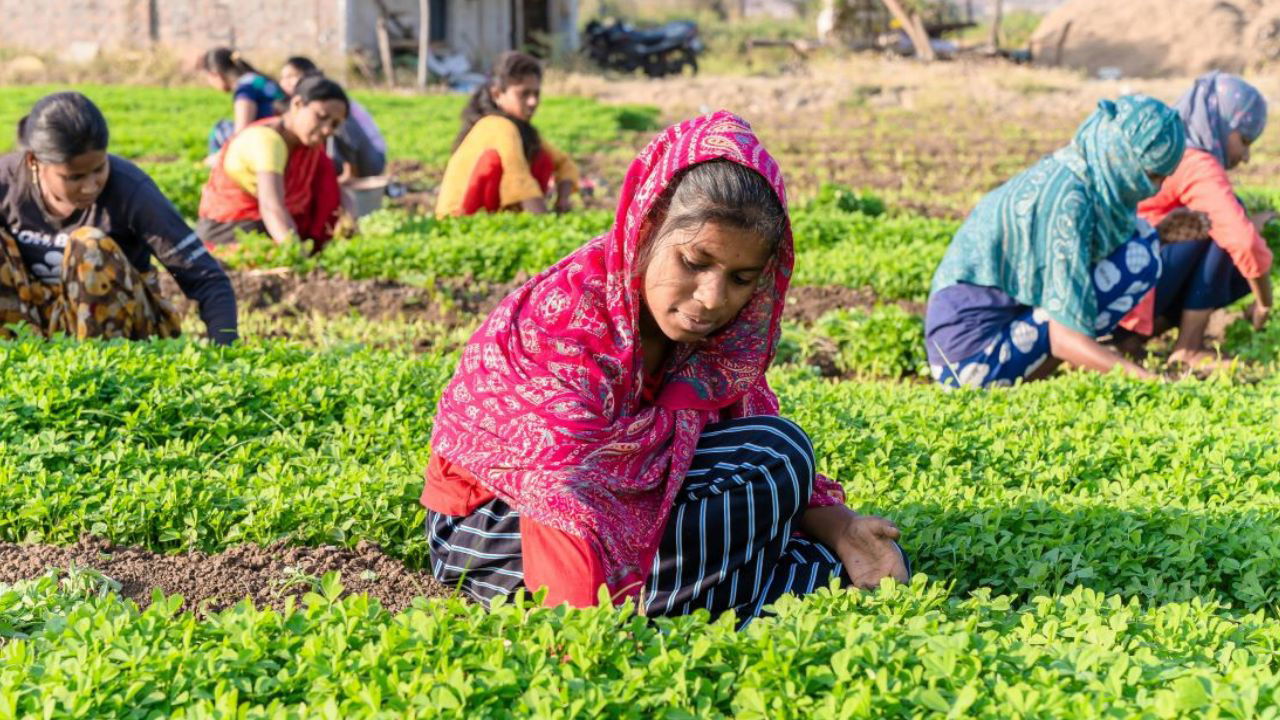
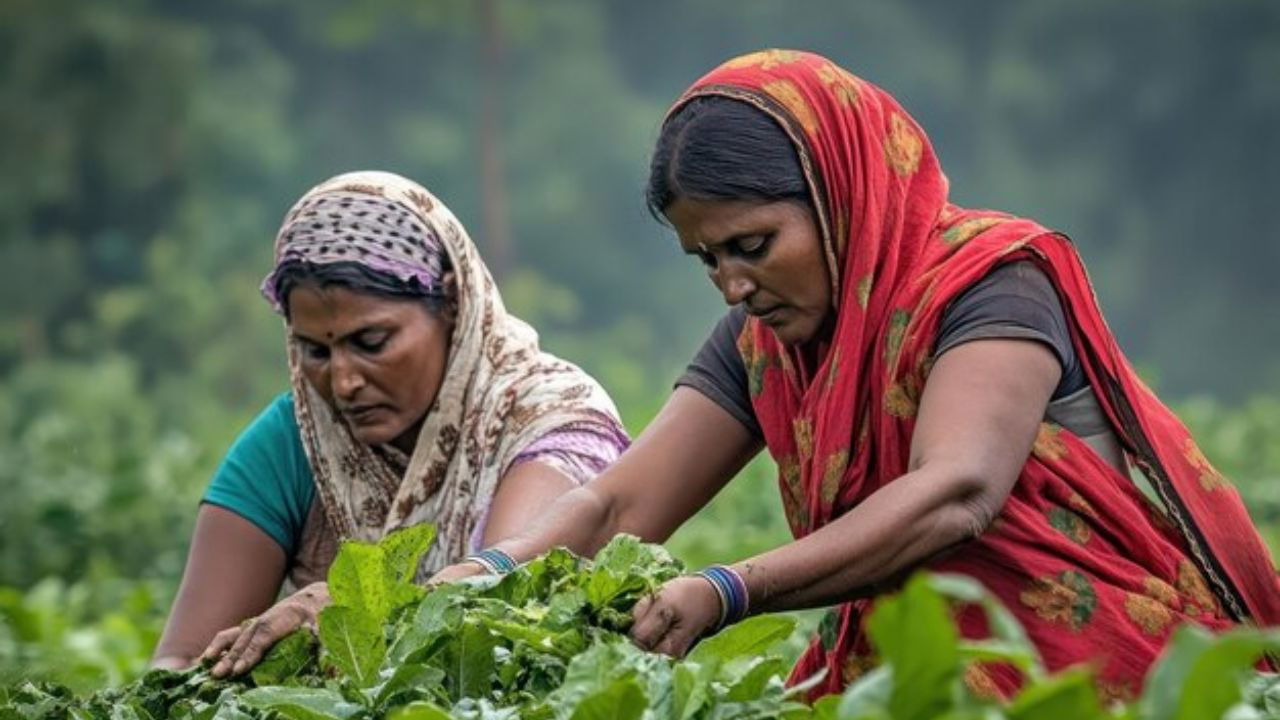
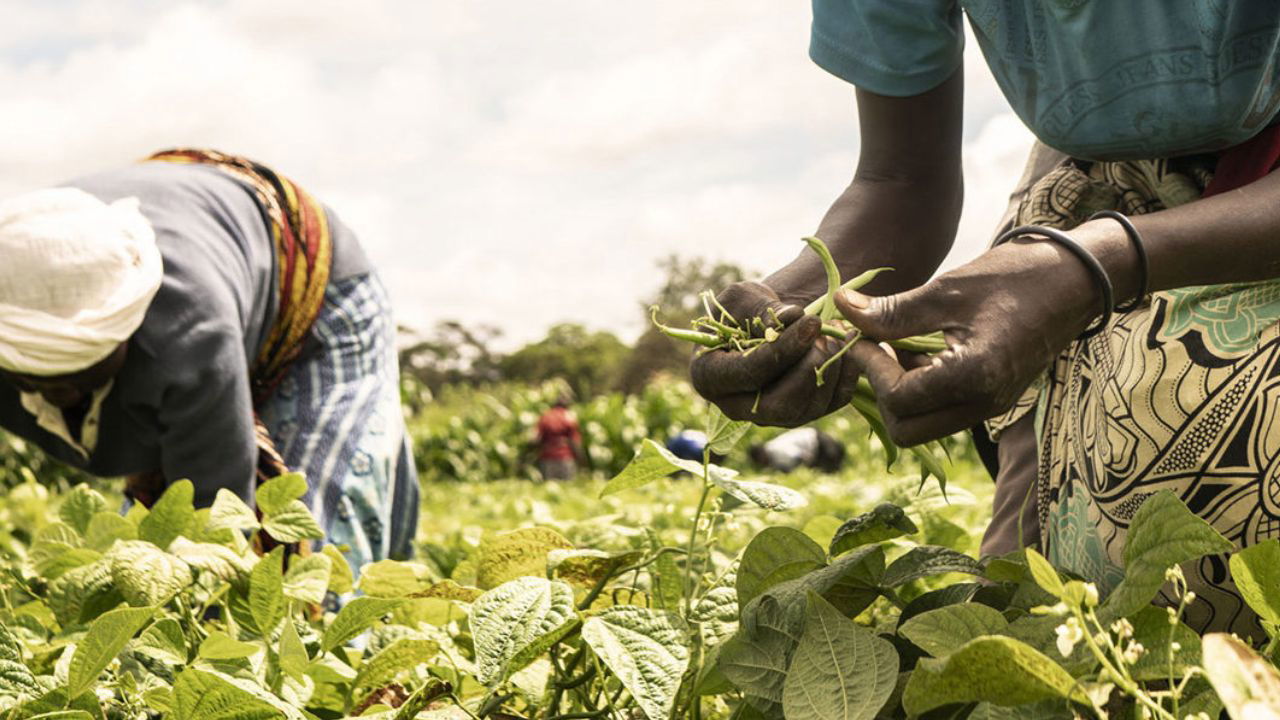
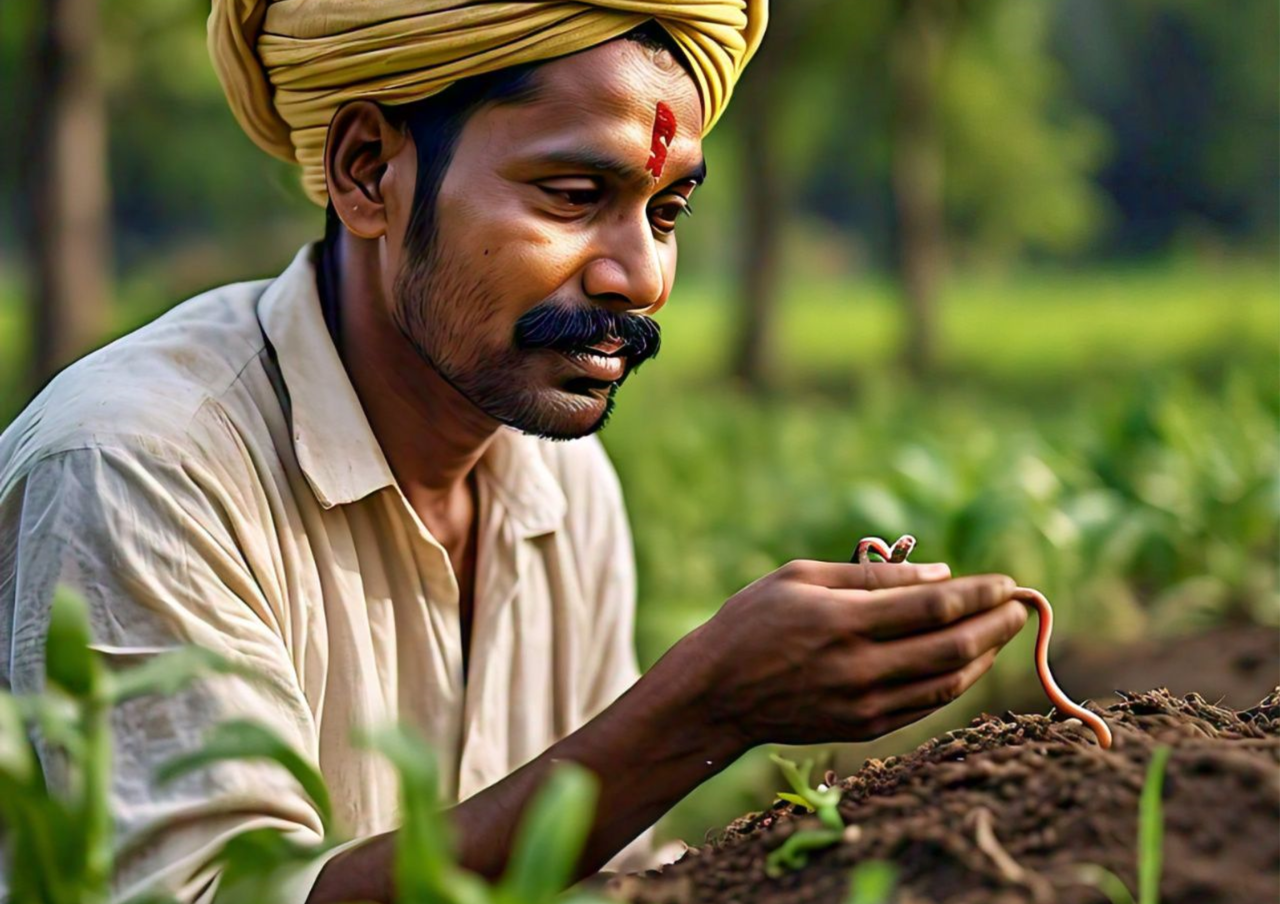
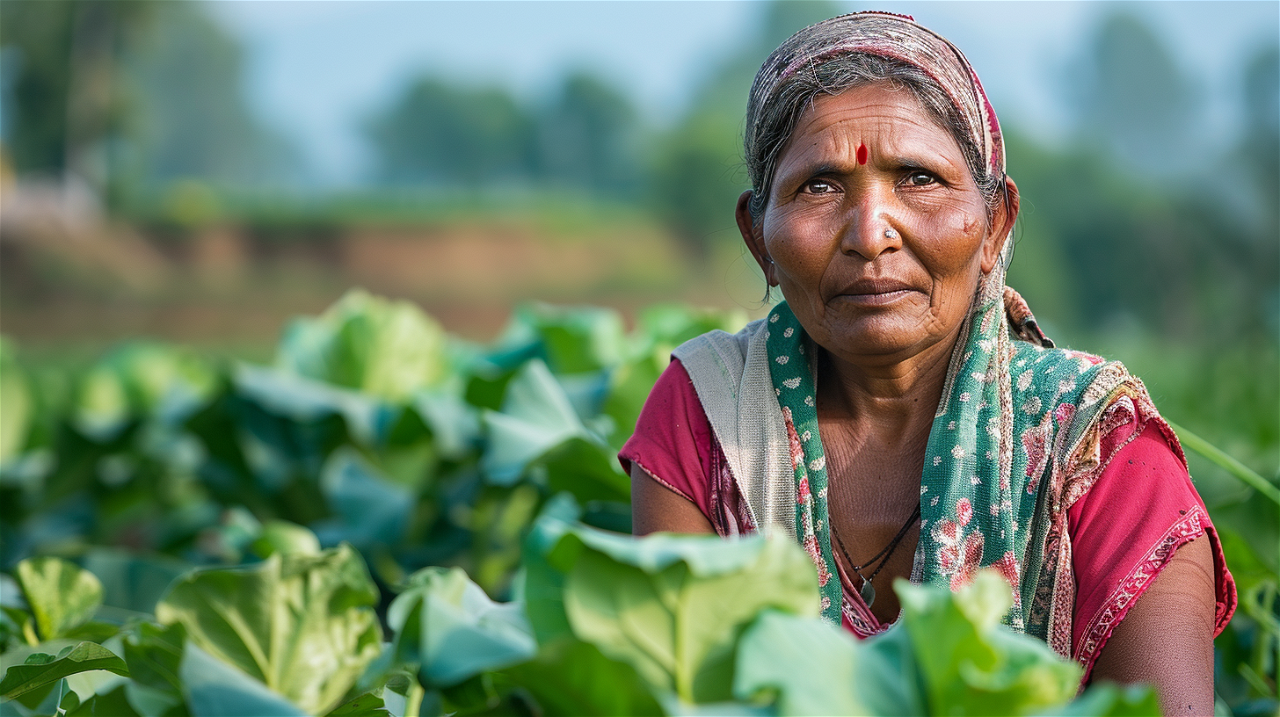
For India, this evolving understanding carries particular urgency. Agriculture is not just a sector of the economy. It is the backbone of livelihoods, a stabiliser of society and a strategic asset that underpins national resilience. Strengthening agriculture, therefore, is not merely about supporting farmers. It is about safeguarding the nation.
Food Security as Strategic Security
Food security has traditionally been viewed through a welfare lens. Governments have focused on ensuring affordable access to food, reducing hunger and managing price stability. While these remain critical, the strategic dimension of food security is now gaining prominence across the world.
Major economies have begun integrating agriculture into national security frameworks. The United States, for instance, has strengthened institutional linkages between its agriculture and defence ecosystems. Research collaborations between agencies such as the Defense Advanced Research Projects Agency (DARPA), which is a U.S. Department of Defense agency, and agricultural bodies aim to protect supply chains, develop resilient crops, and secure food systems against biological and cyber threats.
Australia is also debating similar reforms. Policy discussions increasingly recognise that food systems, though largely managed by private markets, must be treated as strategic infrastructure. Disruptions in fertilisers, fuel or logistics can quickly translate into national vulnerabilities.
These global trends underline a key point. Nations that secure their food systems enhance their ability to withstand external shocks, maintain internal stability and exercise geopolitical influence.
India’s Structural Dependence on Agriculture
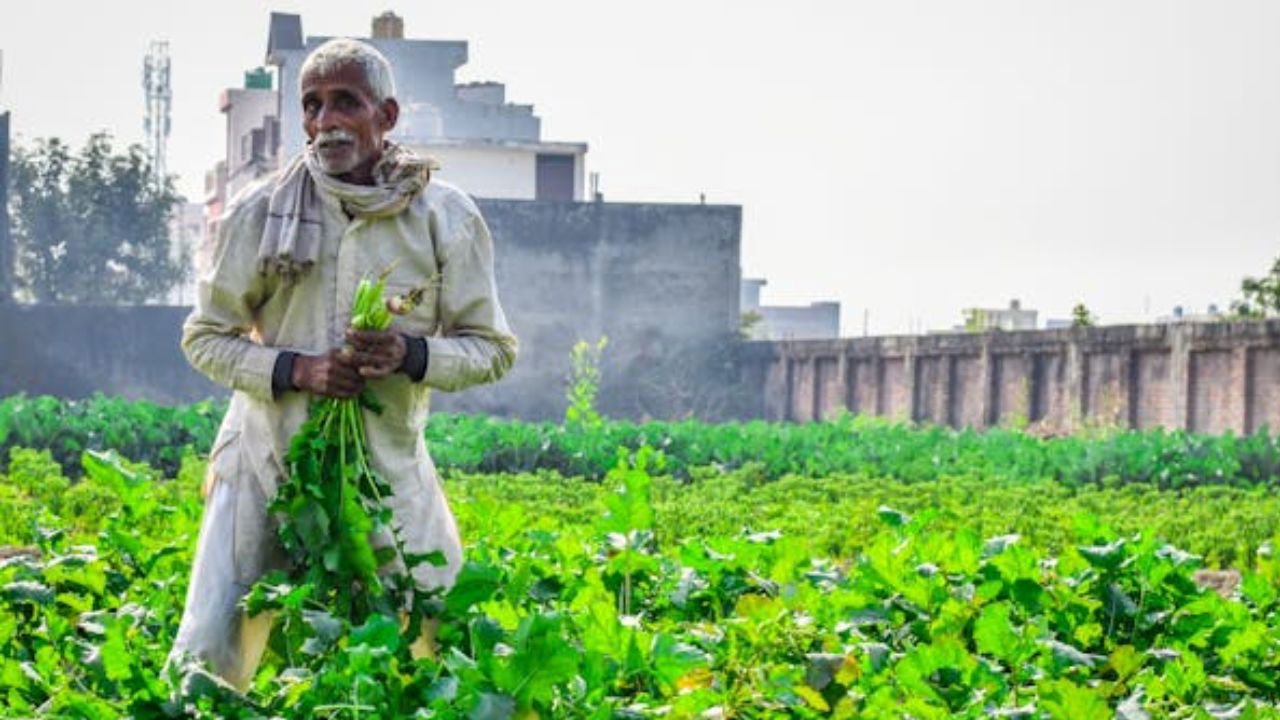
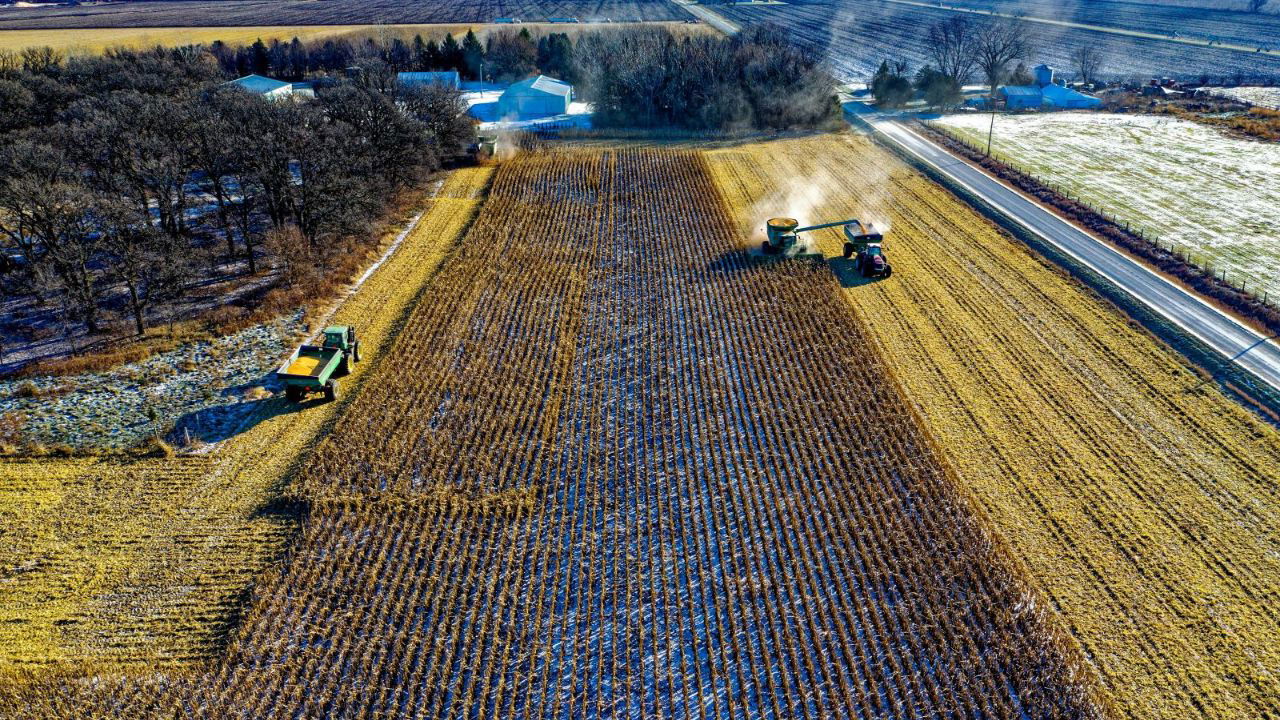
India’s case is unique in both scale and complexity. Despite rapid industrialisation and growth in services, agriculture remains central to the economy and society.
- Nearly 43 percent of India’s workforce is engaged in agriculture and allied sectors according to recent government estimates.
- Rural demand continues to drive consumption patterns across industries.
- Agricultural performance directly influences inflation, particularly food inflation, which shapes monetary policy decisions.
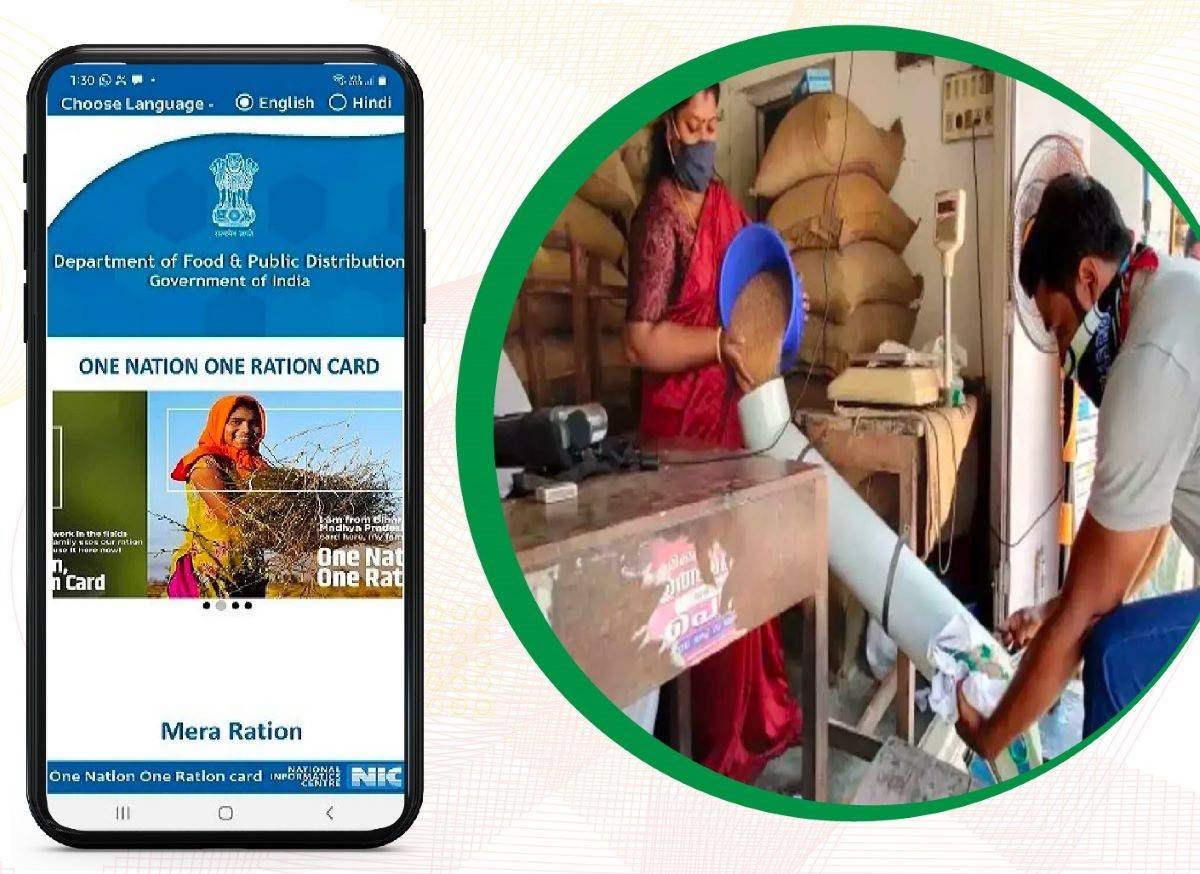
Food security policies also play a stabilising role. Programmes such as the National Food Security Act provide subsidised food grains to about two-thirds of the population. This reduces vulnerability among low-income households and ensures a baseline level of consumption.
At the macro level, stable agricultural output helps control price volatility. This in turn supports economic predictability, reduces distress migration and sustains rural demand.
From a security perspective, these outcomes are significant. Economic instability, unemployment and inflation often feed into social unrest. Food security acts as a buffer against such disruptions.
Nutrition Challenge and Human Capital
While India has achieved self-sufficiency in food grain production, nutrition remains a critical concern.
Recent estimates suggest that around 16 percent of India’s population is undernourished. Child malnutrition continues to manifest in the form of stunting, wasting and underweight prevalence. These are not just health indicators. They reflect deeper structural issues in food access, dietary diversity and public health systems.
A malnourished population weakens national capacity. It affects cognitive development, productivity and workforce efficiency. It increases healthcare costs and reduces economic output over time.
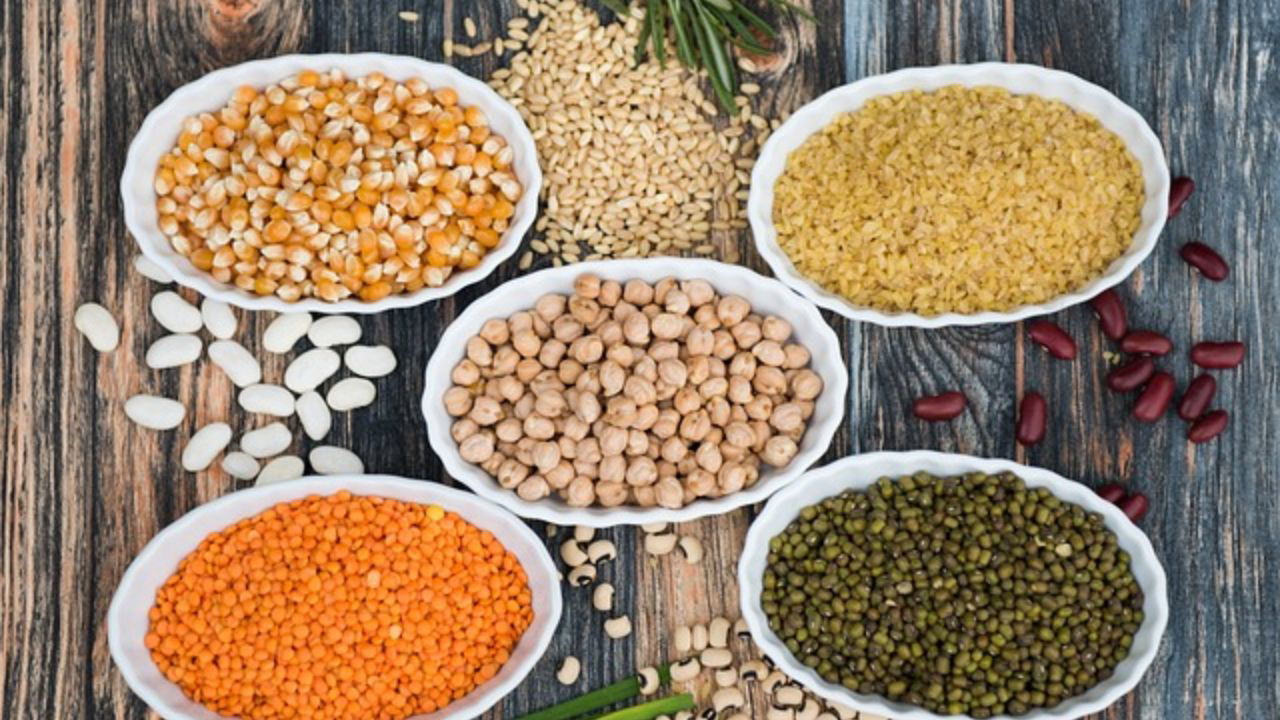
For policymakers, the implication is clear. Food security must move beyond calorie sufficiency to nutritional security. Strengthening agriculture must include diversification into pulses, fruits, vegetables and protein sources. Public distribution systems must evolve to reflect these priorities.
Supply Chain Vulnerabilities and External Dependencies
One of the most critical aspects of food security today is supply chain resilience. India’s agricultural system, while robust in production, remains vulnerable in several upstream and downstream segments.
A major concern is dependence on imports for key inputs:
- India is the world’s largest importer of urea.
- Domestic production meets only a fraction of demand for rock phosphate and potash.
- Fertiliser production depends heavily on imported LNG, ammonia and sulphur.
Recent geopolitical tensions in West Asia have exposed these vulnerabilities. Disruptions around key maritime routes such as the Strait of Hormuz have affected fertiliser supplies and increased input costs. This has direct implications for agricultural productivity and food prices.
Such dependencies highlight a broader strategic risk. Food security is not just about what is grown domestically. It is also about securing the inputs, energy and logistics that enable production.
Climate Change as a Force Multiplier
Climate change is emerging as one of the most significant threats to agricultural stability.
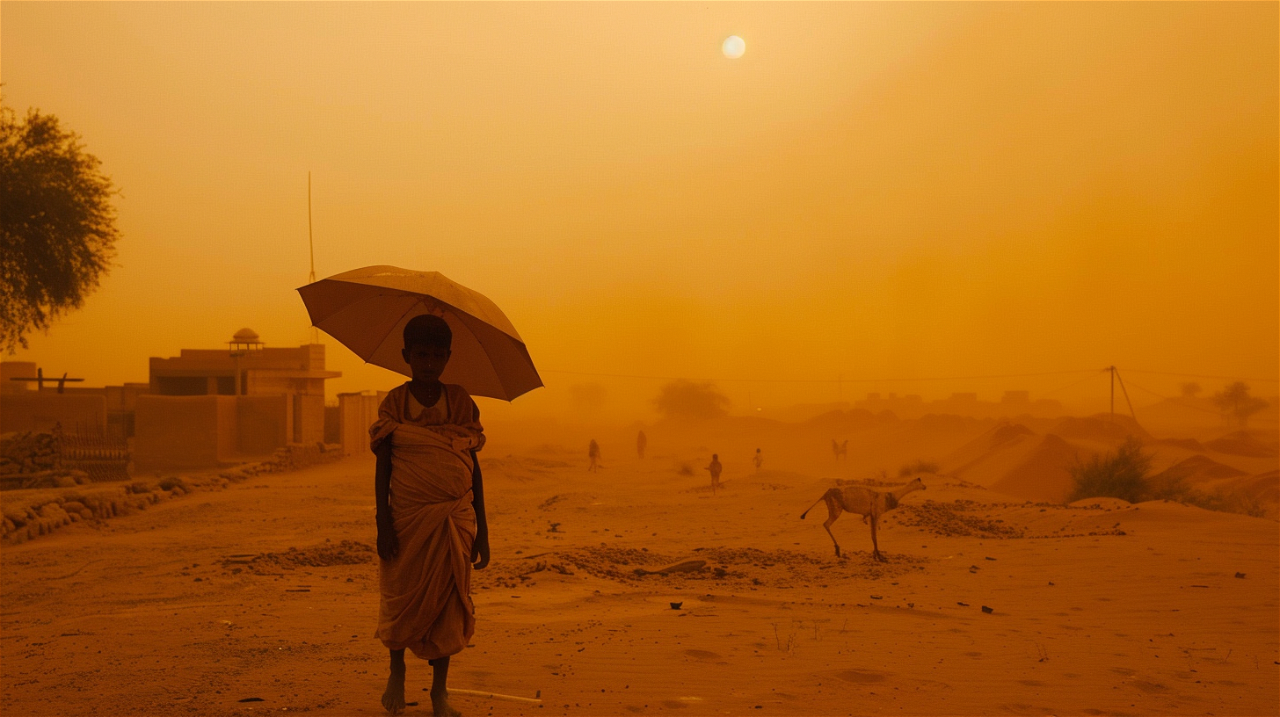
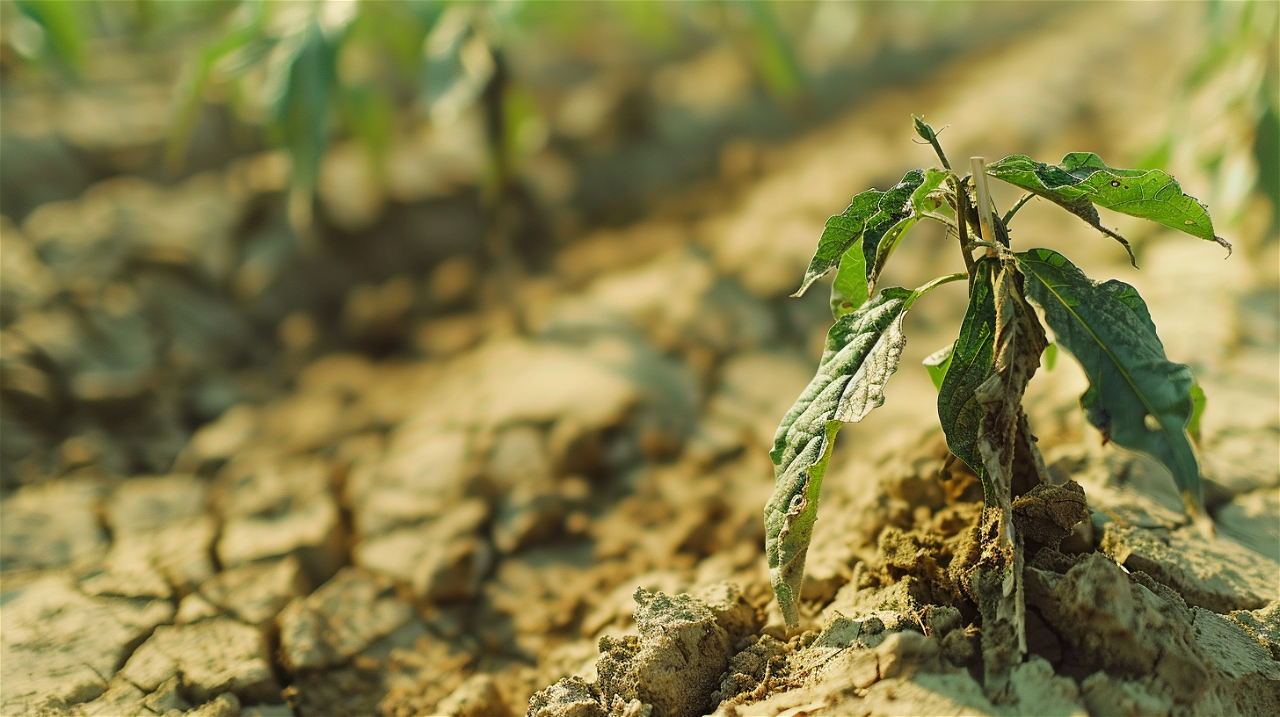
India is highly vulnerable to climate variability. Increasing frequency of droughts, erratic monsoons, heatwaves and floods are already affecting crop yields. Water stress is intensifying in several regions, particularly in northwestern India.
These risks are not isolated. Climate shocks in other parts of the world can also affect global food prices and availability. For example, a drought in a major rice-exporting country can tighten global markets and increase import costs.
This interconnectedness means that India must prepare for both domestic and global shocks. Climate-resilient agriculture is no longer optional. It is a strategic necessity.
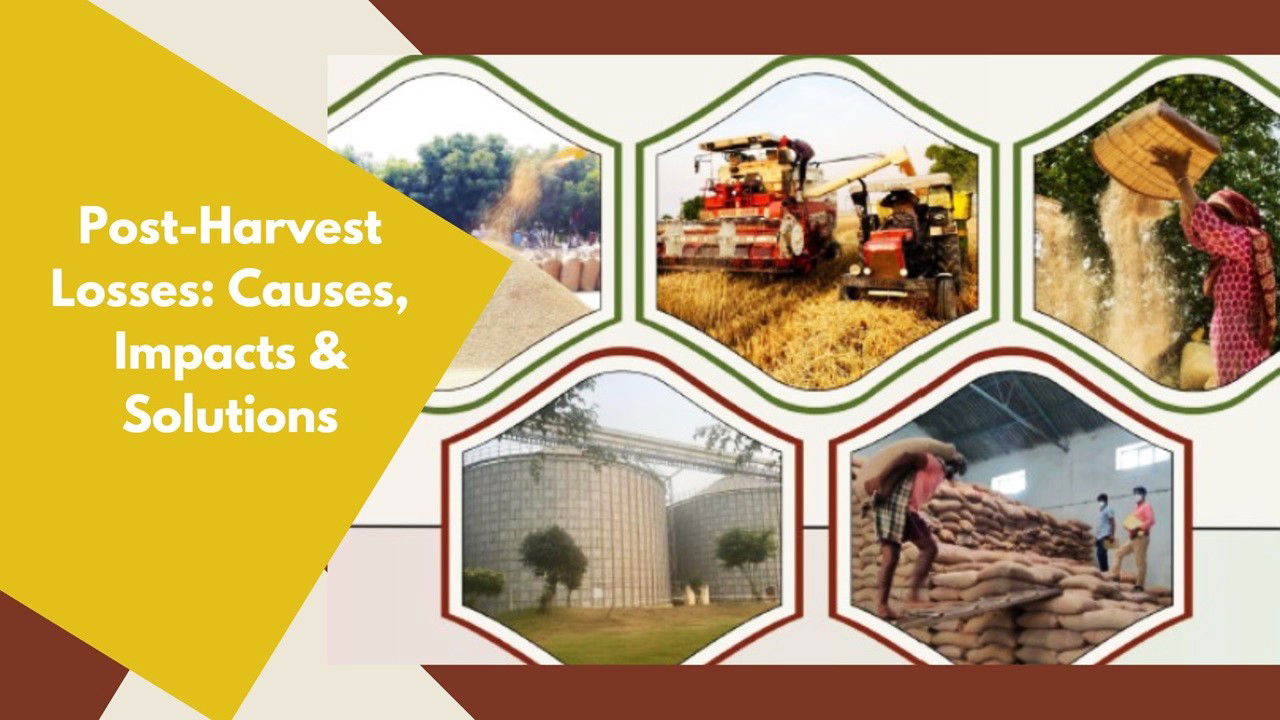
Infrastructure and Post-Harvest Losses
Despite strong production levels, India faces significant inefficiencies in its agricultural value chain.
- A substantial portion of fruits and vegetables is lost due to inadequate storage and cold chain infrastructure.
- Fragmented supply chains increase costs and reduce farmer realisations.
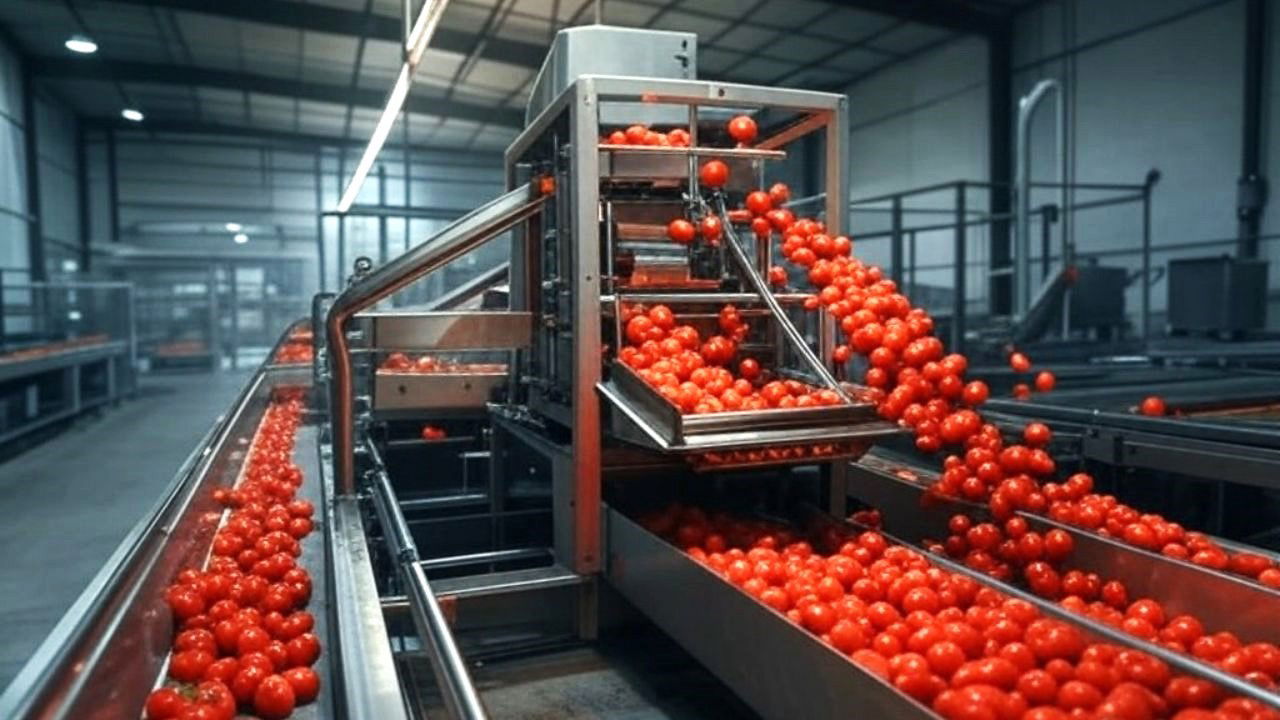
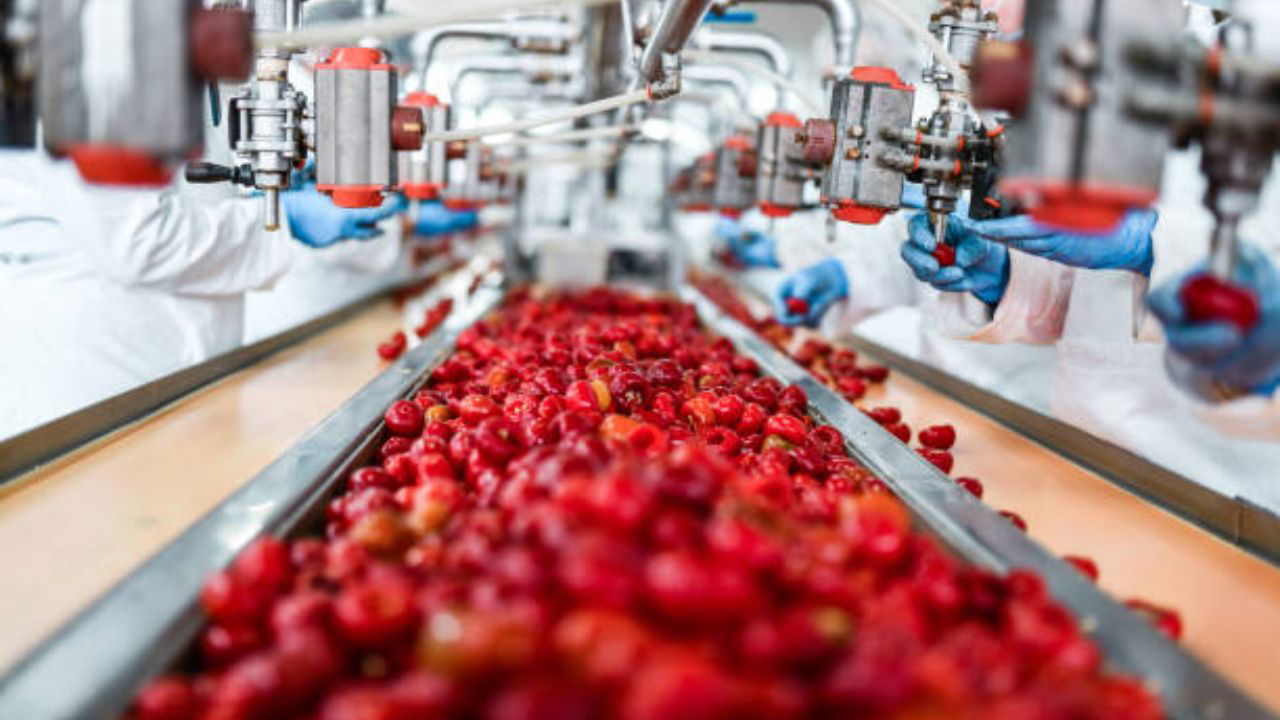
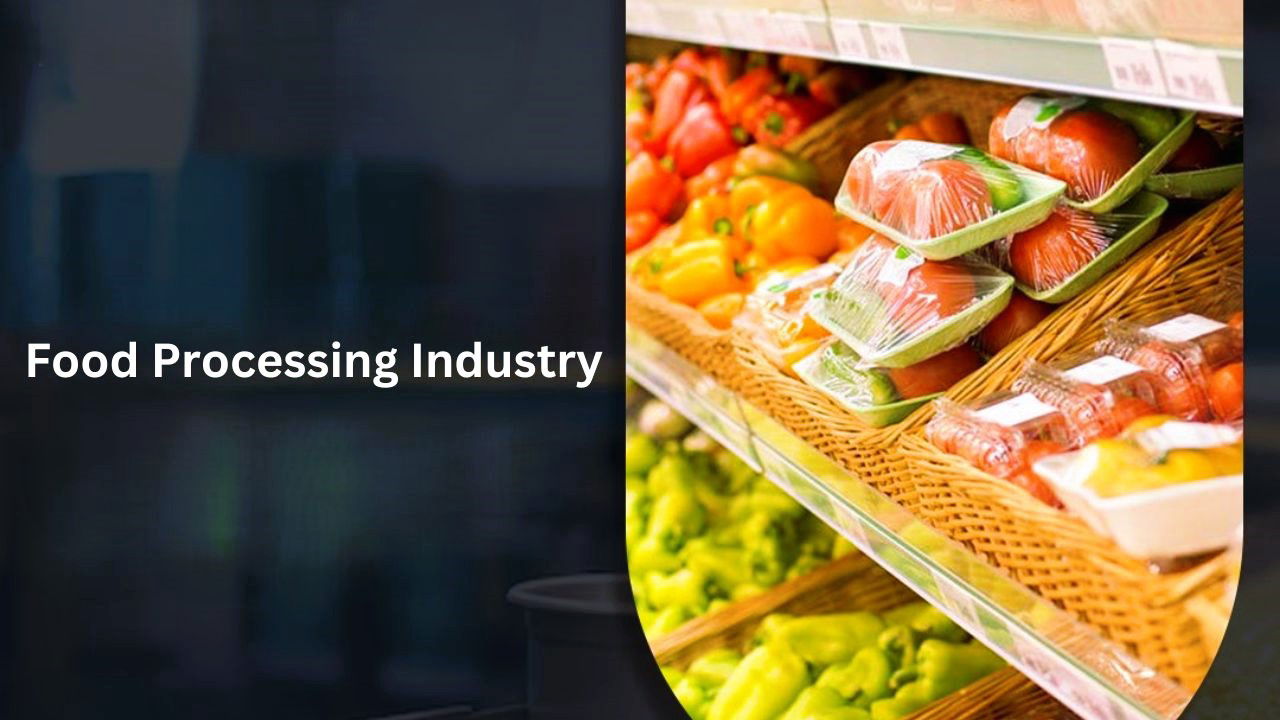
- Limited processing capacity restricts value addition.
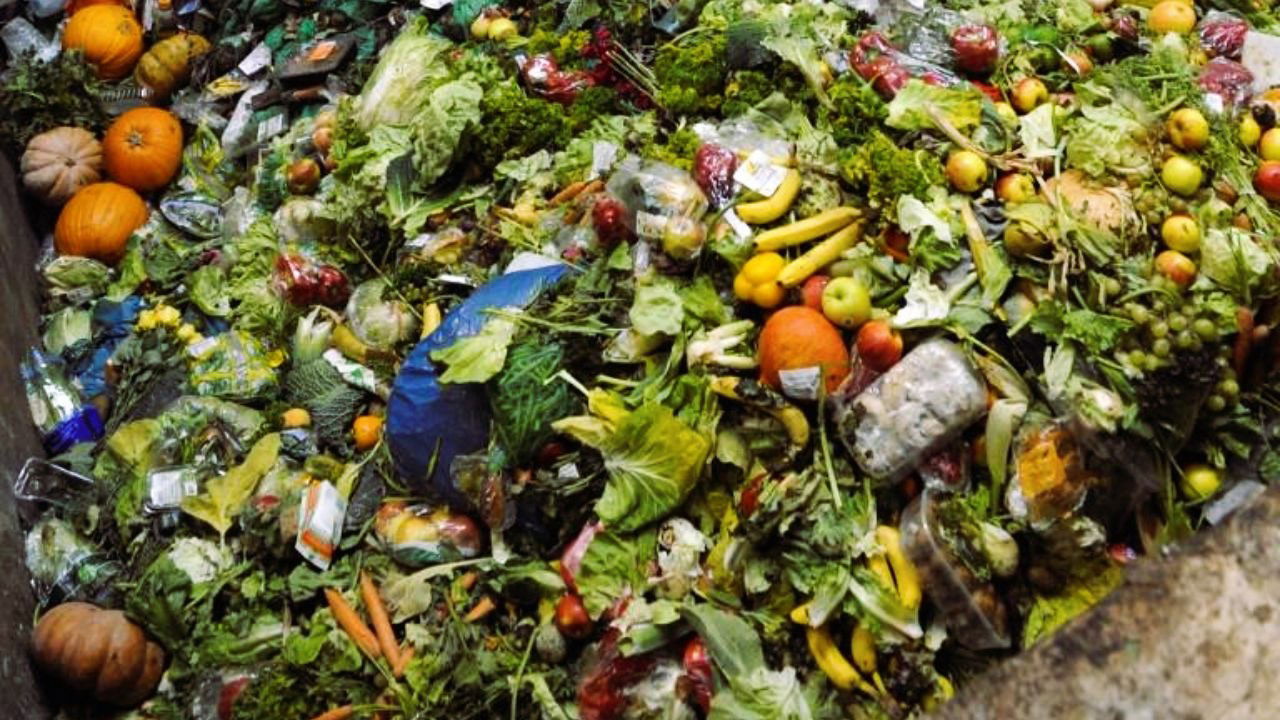
These inefficiencies have both economic and security implications. Post-harvest losses reduce overall food availability. They also weaken farmer incomes, which affects rural stability.
Investments in infrastructure can address these challenges. Cold storage, warehouses, transport networks and digital platforms can improve efficiency, reduce waste and enhance market access.
Agriculture, Social Stability and Internal Security
Food security plays a critical role in maintaining social harmony. History shows that food shortages and price spikes often trigger unrest.
In India’s context, this link is particularly important. The country’s size, diversity and income disparities make it sensitive to disruptions in essential commodities.
Affordable and accessible food reduces household distress. It lowers the risk of social tensions and supports inclusive growth.
Conversely, inflation in food prices can quickly erode purchasing power and create political and economic pressures.
For policymakers, ensuring stable food supplies is therefore integral to internal security.
Policy Framework and Achievements
India has built a comprehensive framework to address food security:
- The National Food Security Act provides legal entitlement to subsidised food grains.
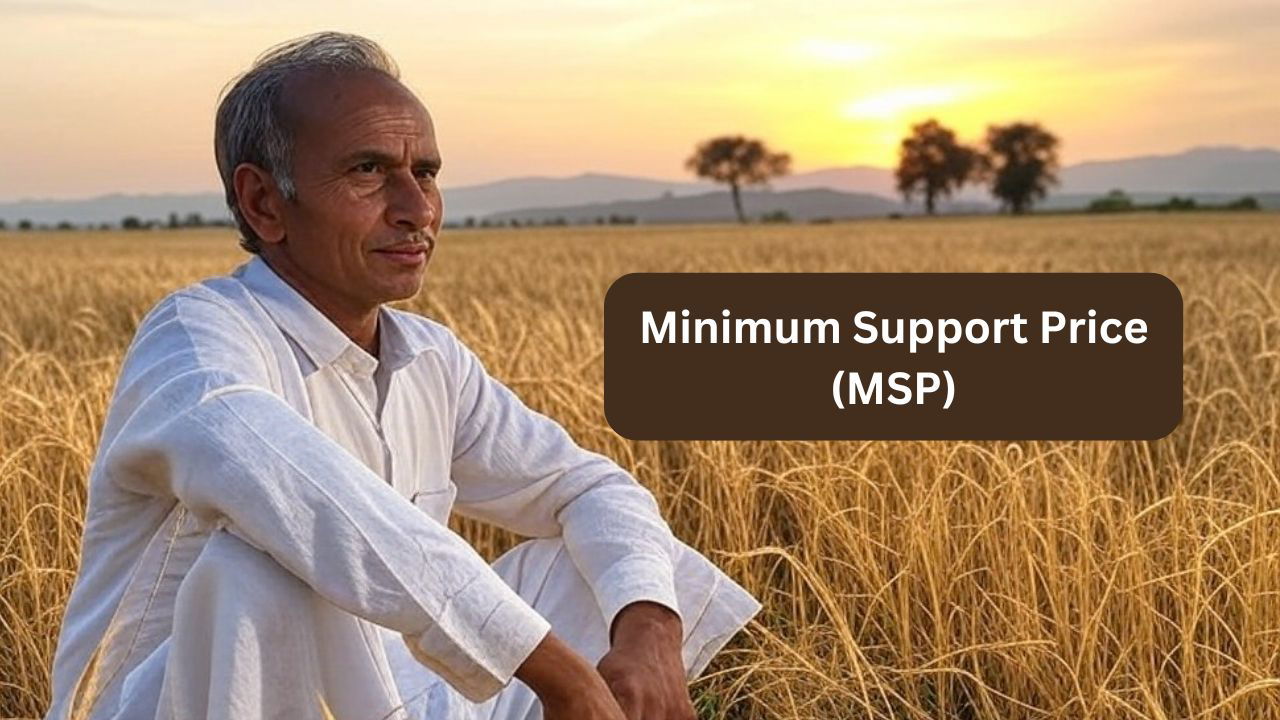
- Minimum Support Price ensures income support for farmers.
- Pradhan Mantri Fasal Bima Yojana offers crop insurance.
- e-NAM promotes market integration.
- National missions on horticulture and natural farming encourage diversification and sustainability.
These initiatives have helped India maintain buffer stocks and avoid large-scale food shortages. They have also supported farmer incomes and stabilised markets.
However, gaps remain in implementation, efficiency and coverage.
Way Forward: A Strategic Approach
To align agriculture with national security objectives, India needs a comprehensive and forward-looking strategy.
- Integrating Agriculture into National Security Planning
Agriculture must be formally recognised as a strategic sector within national security frameworks. This requires coordination across ministries including agriculture, defence, commerce, energy and finance.
Scenario planning and risk assessments should include food systems. This can help anticipate disruptions and build preparedness.
- Strengthening Input Security
Reducing dependence on imported fertilisers and energy is critical. Domestic production capacity must be expanded. Alternative sources and technologies should be explored.
Strategic reserves of key inputs can provide a buffer during crises.
- Investing in Climate-Resilient Agriculture
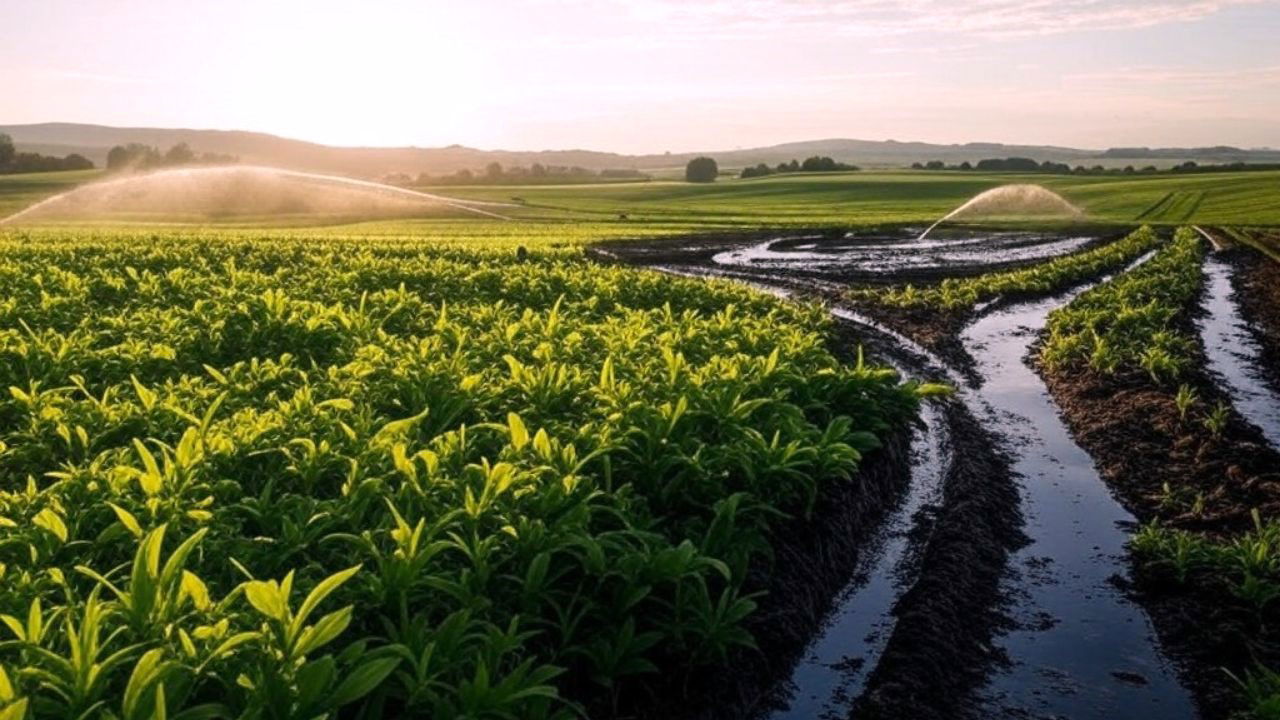
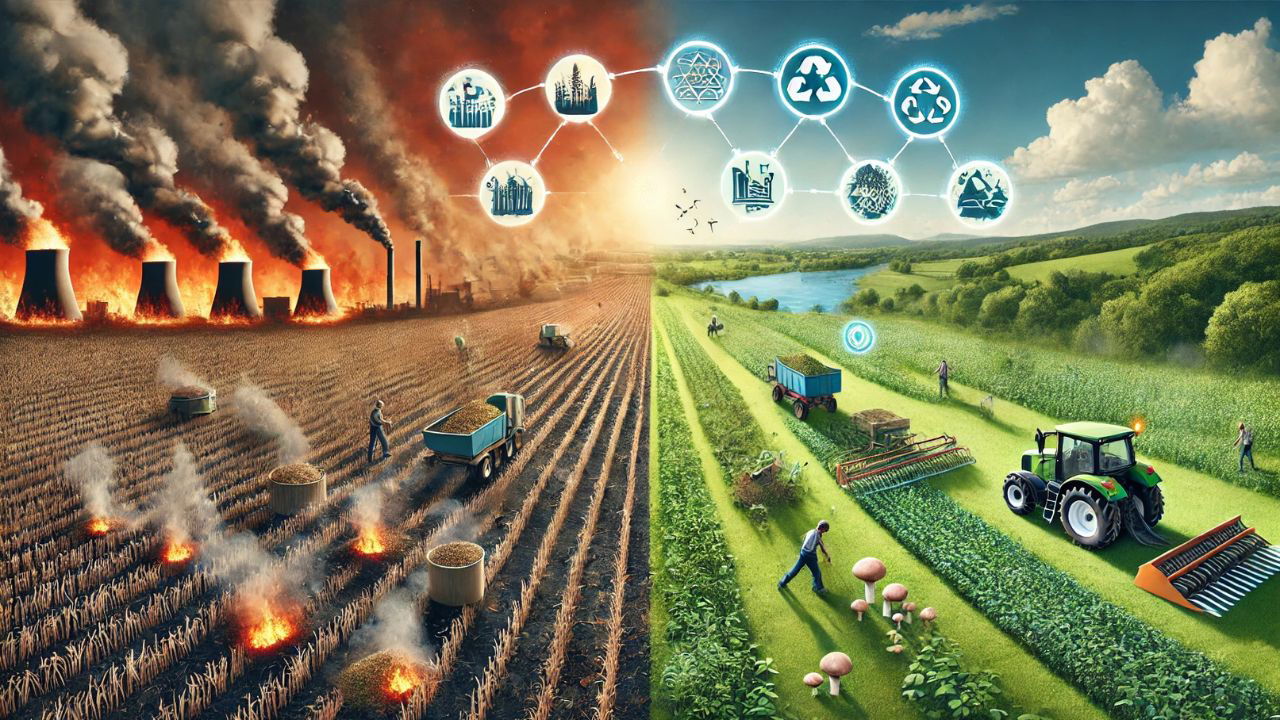
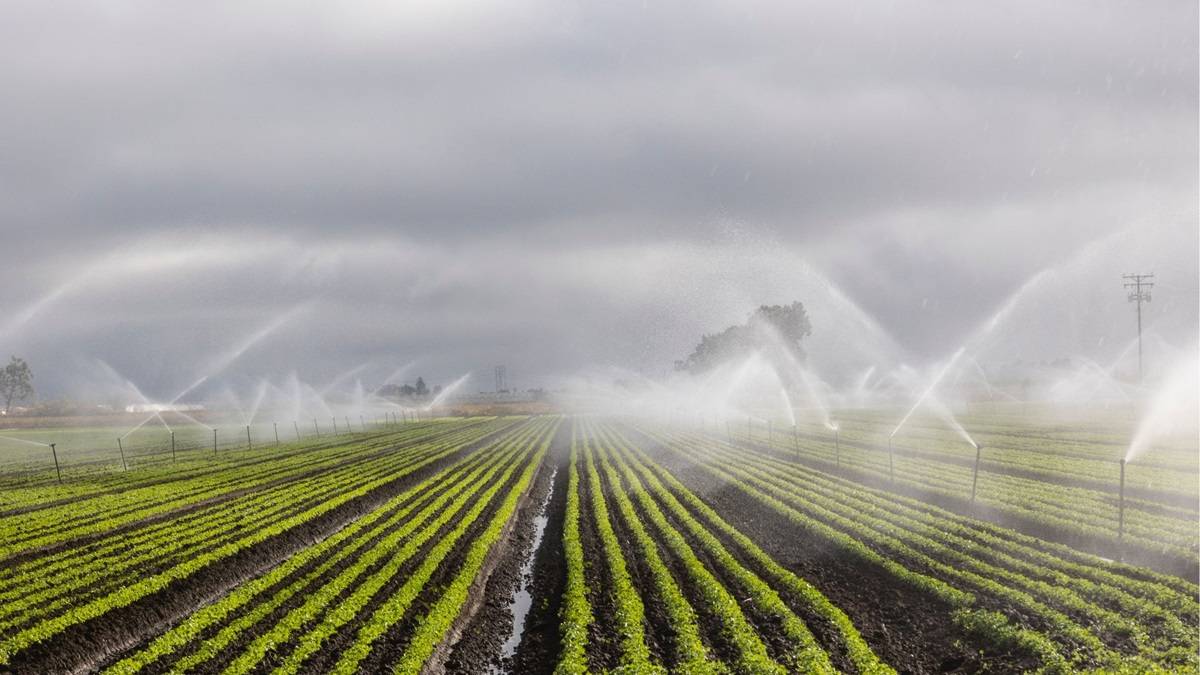
Research and development must focus on climate-resilient crops, efficient irrigation and sustainable practices.
Water management, soil health and biodiversity conservation should be central to policy design.
- Building Robust Supply Chains
Infrastructure investment is essential. Cold chains, storage facilities and logistics networks must be expanded and modernised.
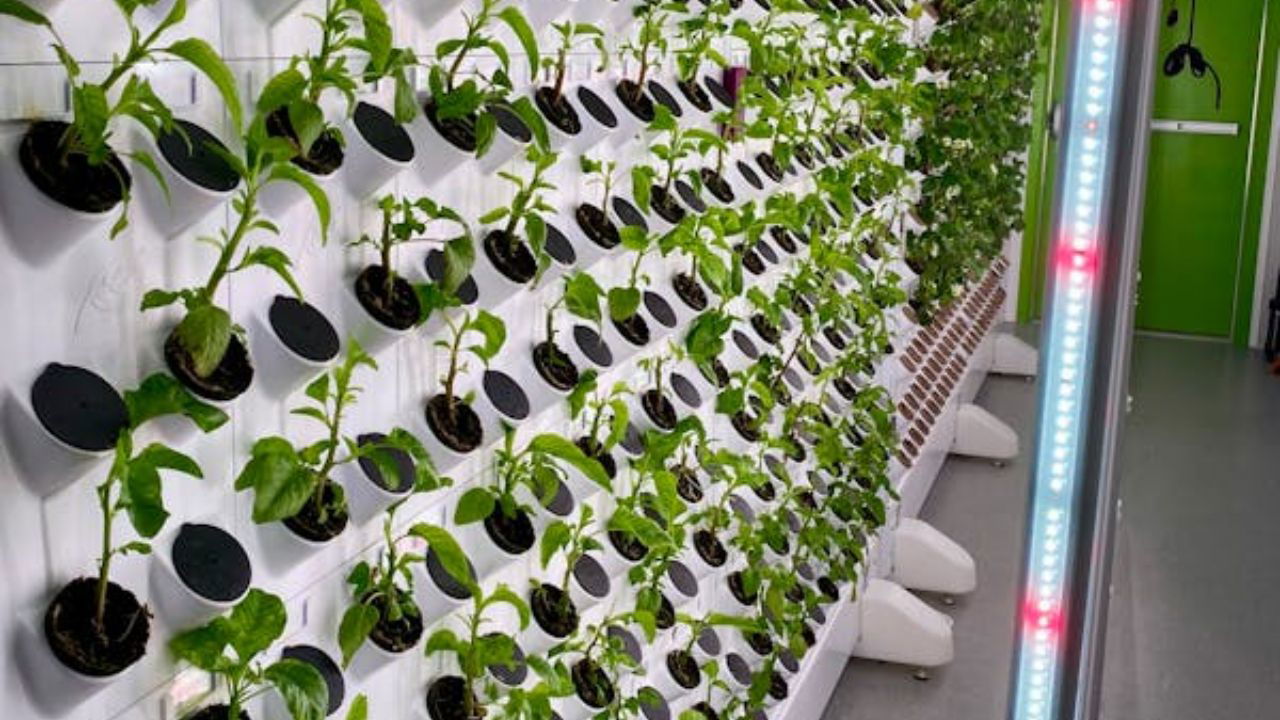
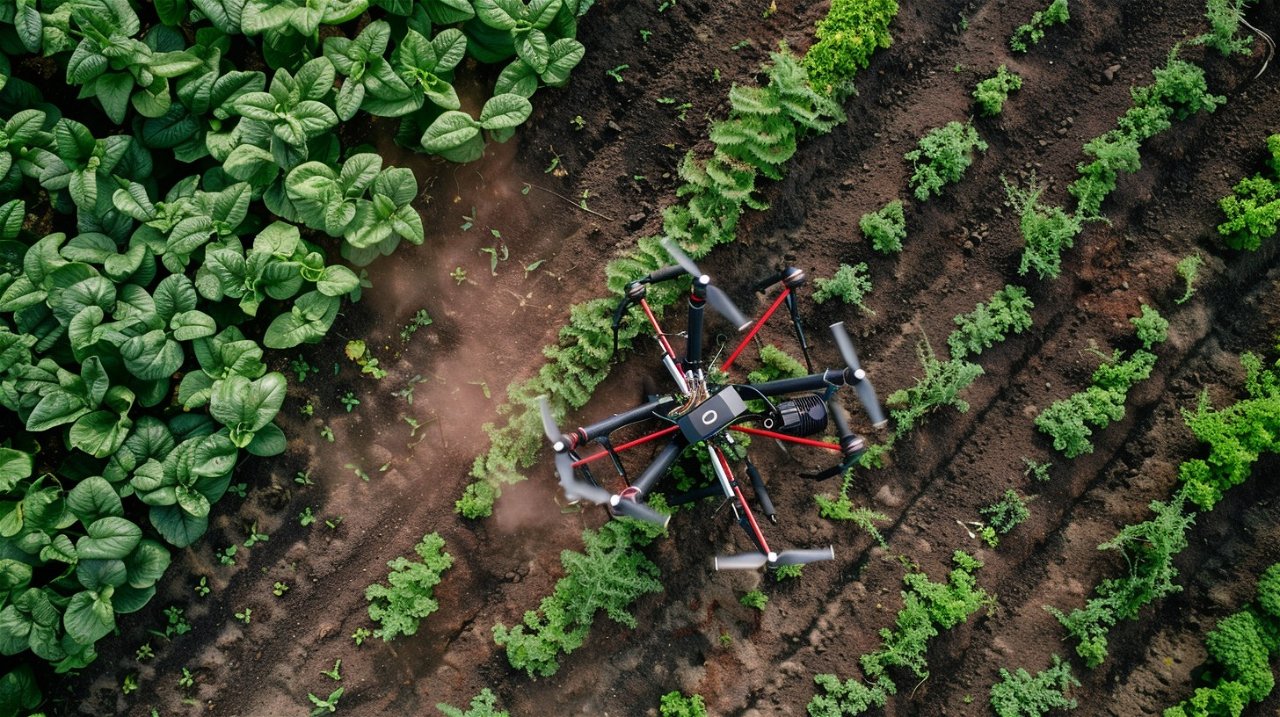
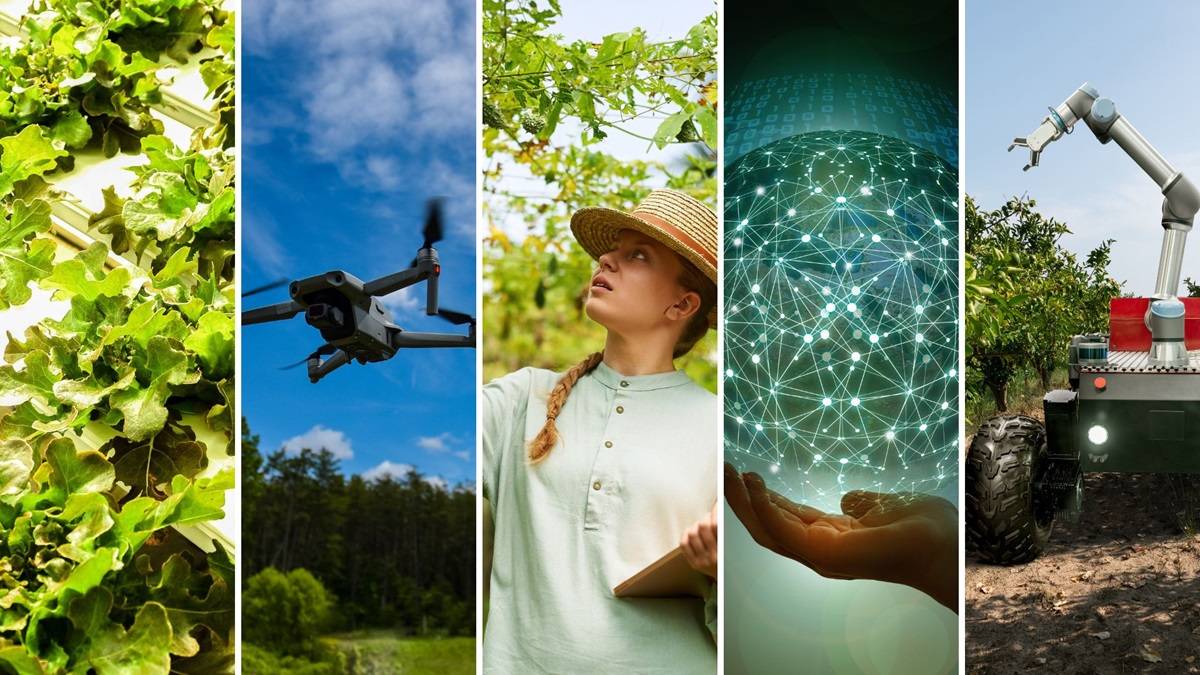
Digital technologies can improve transparency, traceability and efficiency.
- Promoting Diversification and Nutrition
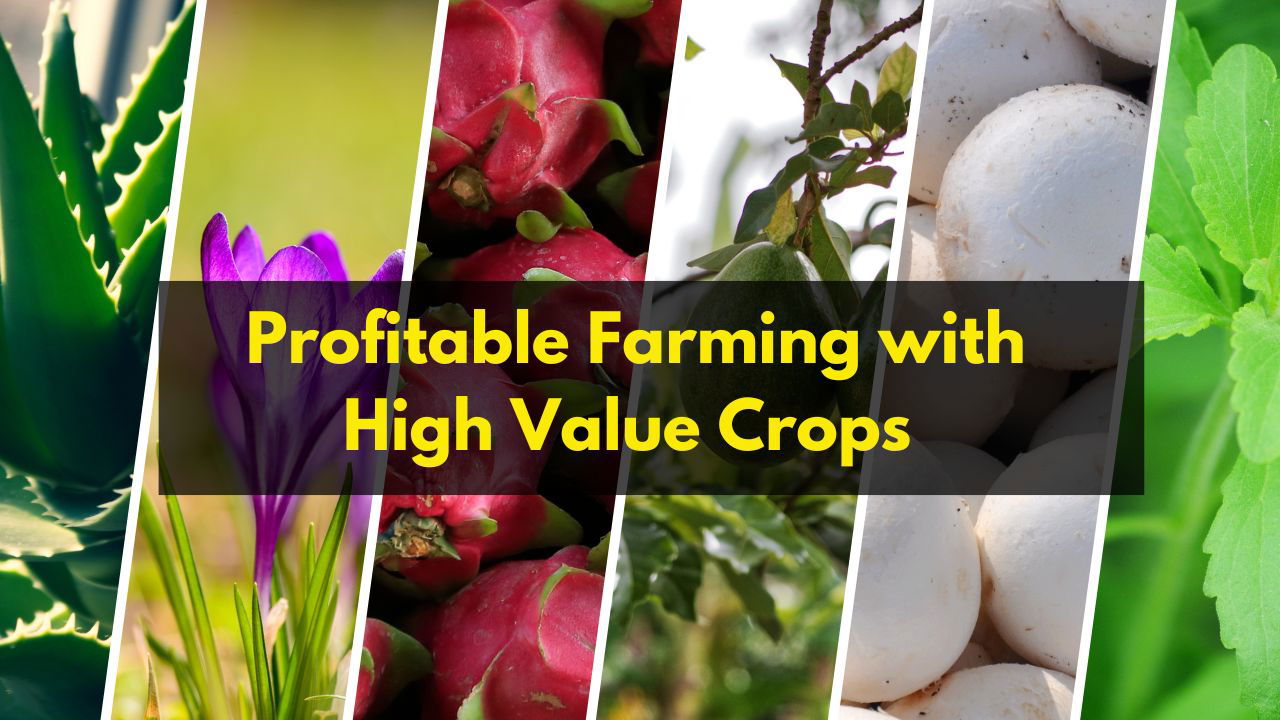
Agricultural policies should encourage diversification beyond cereals. Pulses, oilseeds, horticulture and livestock can enhance nutrition and income.
Public distribution systems should gradually incorporate diverse food items.
- Enhancing Public-Private Collaboration
Food systems are largely market-driven. Effective collaboration between government and private sector is essential.
Data sharing, joint investments and innovation partnerships can strengthen resilience.
- Strengthening Global Engagement
India must actively engage in global food governance. Trade policies, strategic partnerships and participation in international forums can help secure supply chains.
Conclusion
Food security is no longer a peripheral issue. It sits at the core of national security, economic stability and social cohesion.
India has made significant progress in building a resilient agricultural system. However, emerging challenges require a shift in perspective. Agriculture must be treated not just as a sector but as strategic infrastructure.
The future of national security will depend on how effectively countries manage their food systems in an uncertain world. For India, this means investing in resilience, reducing vulnerabilities and integrating agriculture into the broader security framework.
Strengthening agriculture is not just about increasing production or supporting farmers. It is about ensuring that the nation remains stable, self-reliant and prepared for the challenges of a rapidly changing global landscape.
Related News


Teej Festival 2025: Celebrating Divine Love, Womanhood, and Sacred Traditions Across India and Nepal